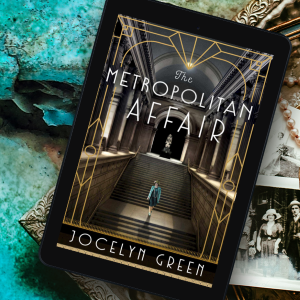
The Metropolitan Affair was born out of three separate strands of inspiration woven together to create the right characters, plot, and setting, each of them inextricably linked with the other two.
For the protagonist, Dr. Lauren Westlake, I was inspired by the first professionally trained female Egyptologist in America. The brilliant and humble Caroline Ransom Williams served as assistant curator in the Metropolitan Museum of Art’s Egyptian department in the early years.
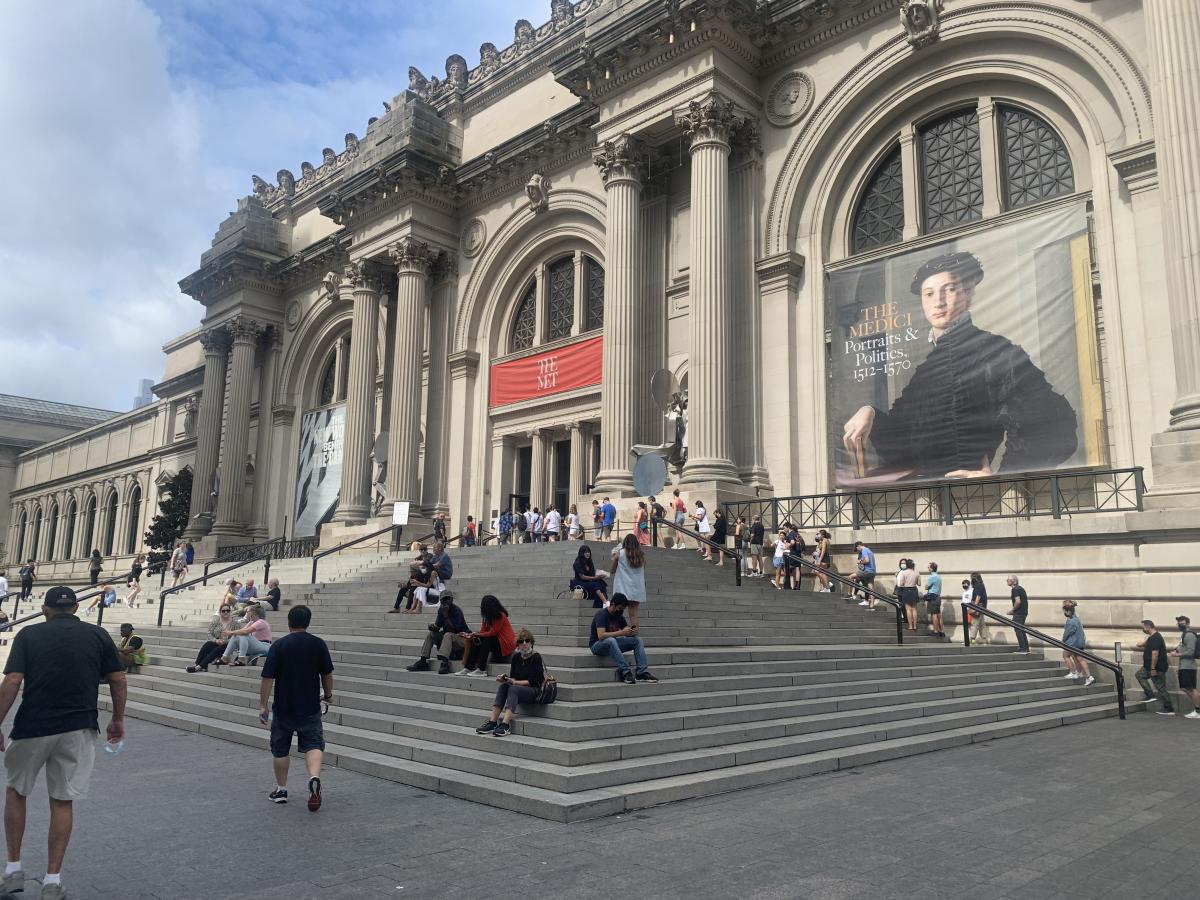
I set my novel a little later than Caroline’s time so I could also take advantage of two things: Prohibition-era Manhattan, and the Egyptomania sweeping the world after the discovery of King Tut’s tomb. The plot involving the hunt for a forger of Egyptian antiquities is linked to the art world during Prohibition, and to the craze for all things Egypt, also known as King Tut Fever. Since this is the least-known aspect of my historical setting, let’s dive into that a little deeper.
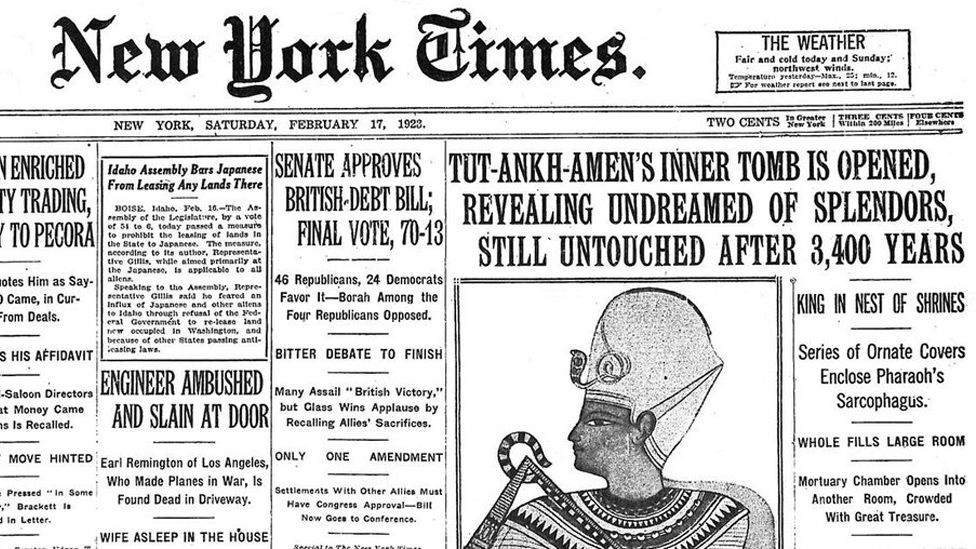
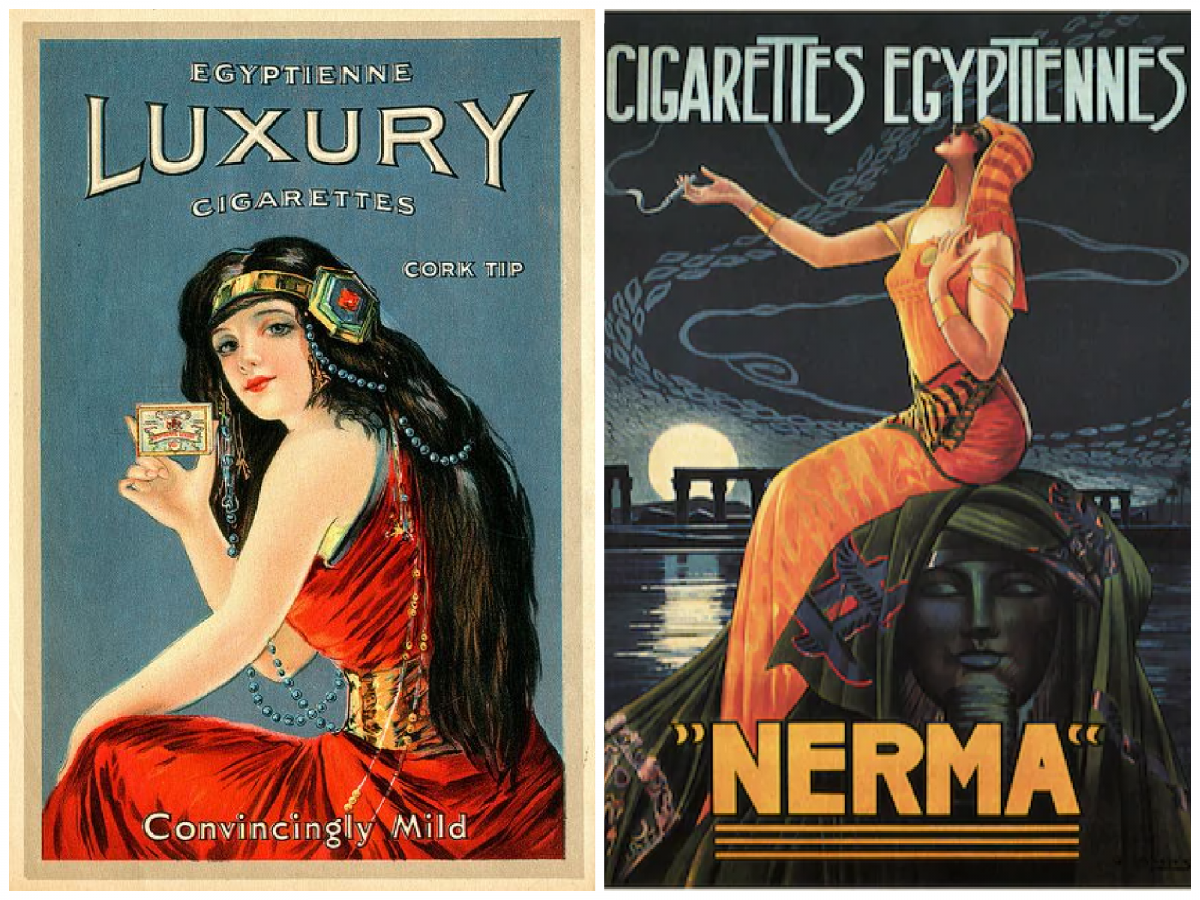
People were interested in Egyptian discoveries before King Tut, but after his tomb was discovered in November 1922, and the inner rooms entered in February 1923, it really took over popular culture. All kinds of companies tried branding themselves Egyptian to cash in on the craze, including cigarettes, talcum powder, lemons and other produce, and even dish soap.
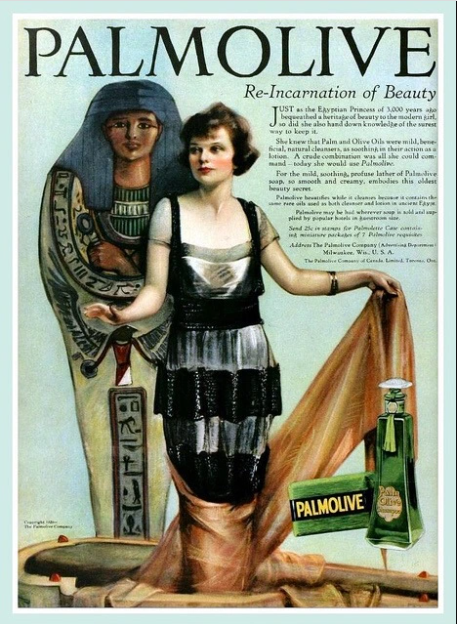
An advertisement for Palmolive dish soap pictures a painted coffin and a young woman mostly unwrapped, standing in the bottom of the coffin. The subtitle is “Re-Incarnation of Beauty.” The main advertising text reads: “Just as the Egyptian Princess of 3,000 years ago bequeathed a heritage of beauty to the modern girl, so did she also hand down knowledge of the surest way to keep it. She knew that Palm and Olive oils were mild, beneficial, natural cleansers, as soothing in their action as a lotion. A crude combination was all she could command—today she would use Palmolive.”
Young people danced the King Tut Fox Trot, and popular songs included: Egyptian-Ella; There’s Egypt in Your Dreamy Eyes; Moonlight on the Nile; The Sheik of Araby; Mystic Nile; Cleopatra had a Jazz Band; Mummy Mine; and Lady of the Nile.
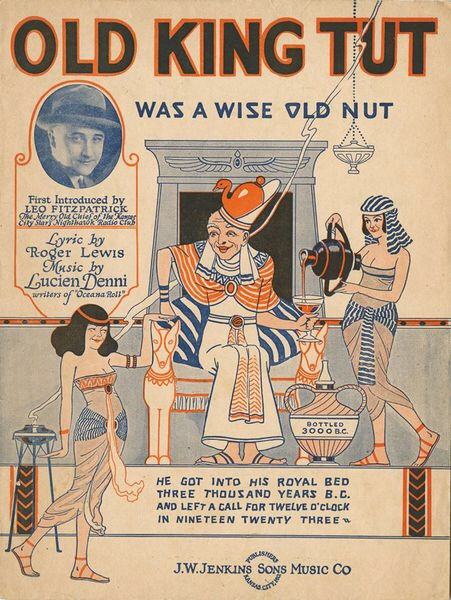
You may notice from the image above that popular culture wasn't all that concerned with the fact that King Tut was an adolescent when he died.
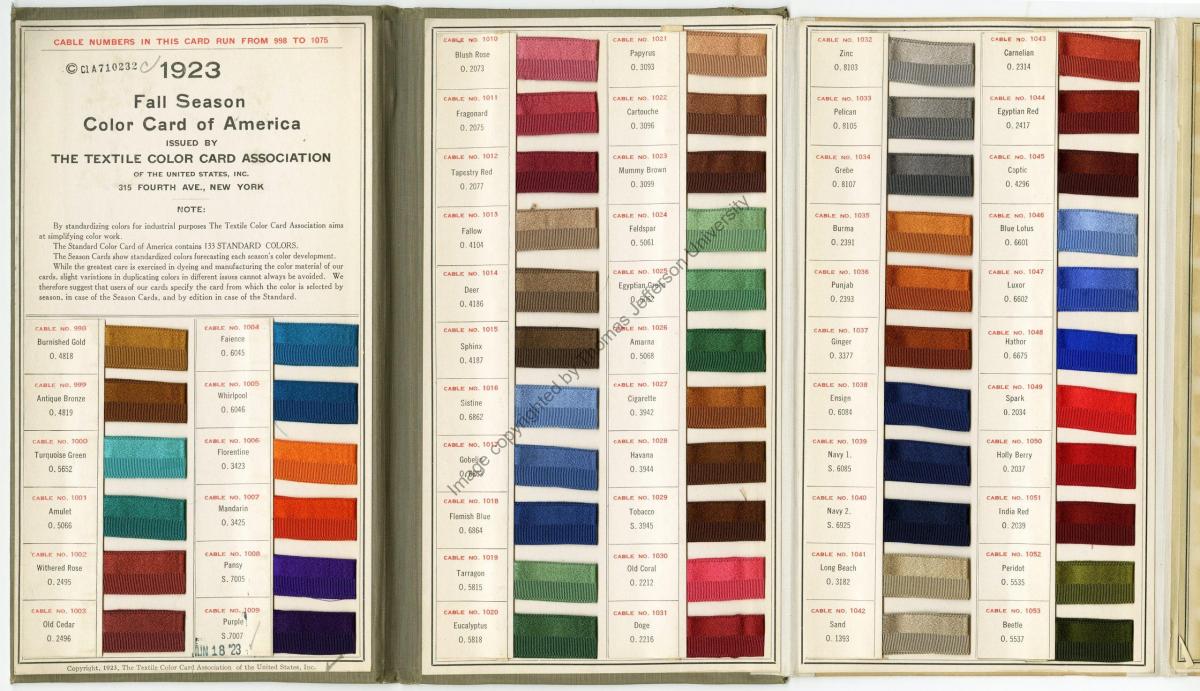
The discovery of King Tut’s tomb and its contents gave fresh inspiration for Art Deco design in architecture, jewelry, housewares, and clothing. Color trends in women’s fashion took full advantage of King Tut Fever by naming their colors with Egyptian flare. Just a few examples from the 1923 fall season include: Antique Bronze, Amulet, Turquoise Green, Old Cedar, Sphinx, Eucalyptus, Papyrus, Cartouche, Mummy Brown, Egyptian Green, Carnelian, Egyptian Red, Blue Lotus, Luxor, and Beetle.
It’s no wonder I decided to set my art forgery story in such a fascinating time and place.
So what do you get when you combine one NYPD detective during Prohibition Manhattan, Egyptomia, and one curator for The Metropolitan Museum of Art in 1925? The Metropolitan Affair, of course!
Did anything in this blog post surprise you?
*Please note: I moderate comments to filter out spam. So if your comment doesn't show up right away, rest assured, I'll approve it soon. Thanks!
Jocelyn Green

Jocelyn Green inspires faith and courage as the award-winning and bestselling author of numerous fiction and nonfiction books, including The Mark of the King; Wedded to War; and The 5 Love Languages Military Edition, which she coauthored with bestselling author Dr. Gary Chapman. Her books have garnered starred reviews from Booklist and Publishers Weekly, and have been honored with the Christy Award, the gold medal from the Military Writers Society of America, and the Golden Scroll Award from the Advanced Writers & Speakers Association. She graduated from Taylor University in Upland, Indiana, with a B.A. in English, concentration in writing. As a speaker, Jocelyn inspires faith and courage in her audiences. She loves Mexican food, Broadway musicals, strawberry-rhubarb pie, the color red, and reading with a cup of tea. Jocelyn lives with her husband Rob and two children in Cedar Falls, Iowa. Visit her at www.jocelyngreen.com.